
Welcome to Sincoheren website !

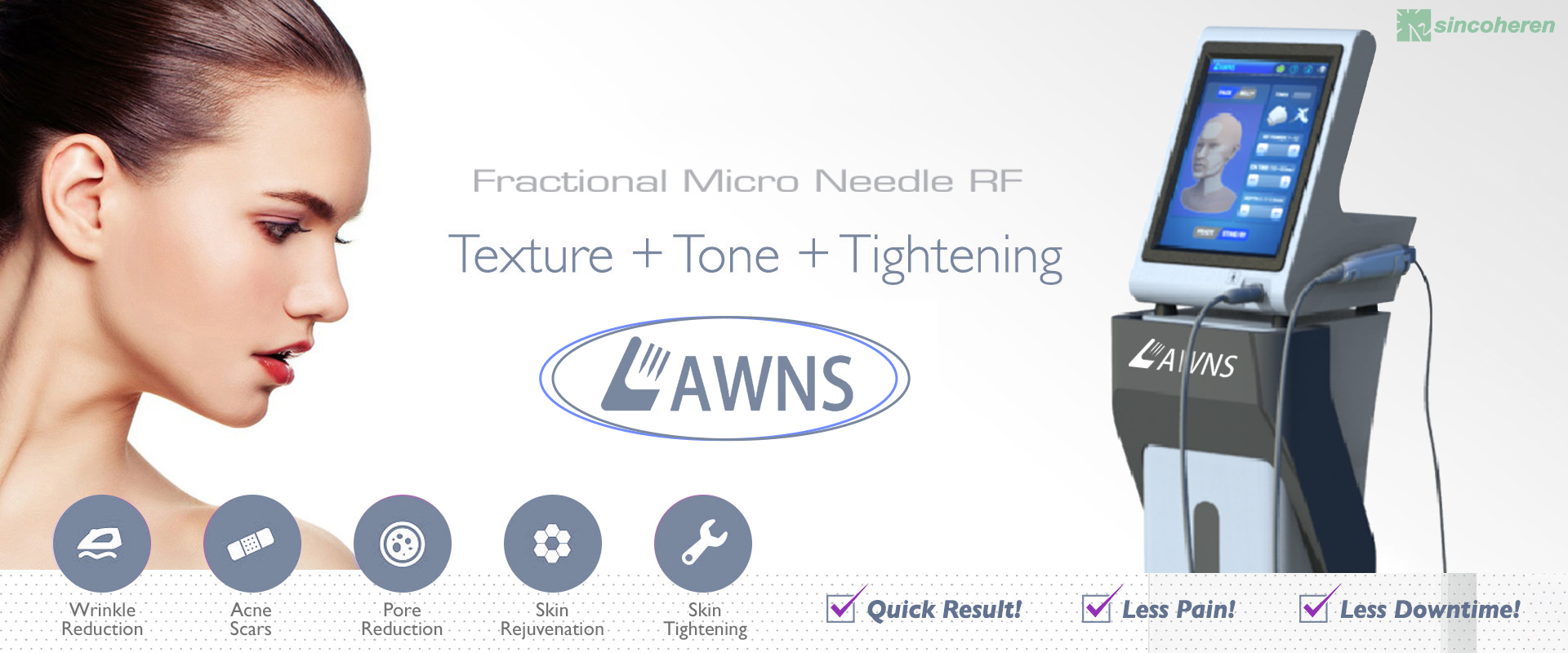
Choosing the right RF (Radio Frequency) microneedling device depends on several factors, including your specific needs, skin type, budget, and the quality of the device. Here’s a guide to help you select the best one for you:
Skin Concerns: Are you looking to treat wrinkles, acne scars, uneven skin texture, or sagging skin? RF microneedling can address all of these, but some devices may perform better for specific concerns.
Desired Results: Determine whether you want a subtle improvement or a more dramatic transformation. Some devices provide a more intensive treatment, while others are gentler.
Needle Depth: Look for a device that allows you to adjust the needle depth. Different concerns may require different depths (e.g., deeper penetration for acne scars).
RF Energy Levels: The strength of the radiofrequency energy is important. Higher energy levels can be more effective but may require more experienced users. Look for a device with adjustable energy settings to suit your needs.
Needle Count: More needles can mean faster treatment, but the quality of the needles and the technology behind them is key. Ensure the needles are of good quality and durable.
Pulsing Options: Some devices offer pulsed RF energy, which can be more effective for certain skin types or conditions.
Sensitive Skin: If you have sensitive skin, you might want to look for a device with lower energy settings and adjustable features to customize the treatment.
Dark Skin Tones: Certain devices are designed to be safe on all skin types, including darker skin tones. Make sure the device you're considering is suitable for your skin tone to avoid any risk of pigmentation changes.
User-Friendly Design: Especially if you're planning to use the device at home, it’s essential that the RF microneedling device is easy to operate and has clear instructions. Look for devices with ergonomic handles and user-friendly controls.
Treatment Speed: Devices that allow you to cover a larger area faster may be preferable, especially for at-home use.
FDA Approval: Ensure the device is FDA-approved for safety, especially if you’re planning to use it at home.
Cooling Technology: Some RF microneedling devices come with built-in cooling systems to minimize discomfort during the treatment, so check if that’s a feature that matters to you.
Budget: RF microneedling devices vary widely in price, from more affordable at-home models to expensive professional-grade systems. While at-home devices are cheaper, they may not provide the same level of results as those used by professionals. However, they’re usually safe and effective for regular use at home.
Customer Feedback: Research reviews and testimonials about the brand and model you’re considering. If the device has a proven track record, it’s more likely to be effective and safe.
Brand Support: Make sure the brand provides excellent customer support, including training materials, troubleshooting, and a solid warranty.
Professional Devices: These are generally stronger and designed for use by trained professionals. They may offer faster and more dramatic results but come at a higher cost and require skilled operation.
At-Home Devices: These are milder, more user-friendly, and typically more affordable but may take longer to show results.
Cleaning and Sterilization: Ensure the device is easy to clean, and check if it requires special attachments (like needle cartridges). It’s important to maintain hygiene to prevent any skin infections.
Post-Treatment Care: After RF microneedling, you’ll likely experience redness and mild irritation. Look for a device that comes with aftercare instructions to help you maximize your results and comfort.
For Professional Use:
InMode Morpheus8
Lumenis Genius RF
Cartessa Vivace
For At-Home Use:
Dr. Pen (e.g., Dr. Pen M8)
NuFACE Trinity + Microneedle Attachment
MediDerma RF Microneedling Device

 info@sincoherenfactory.com
 LANGUAGE


